There is a particular difficulty in nutrition work that does not come up much in the technical literature. The people spreading the most harmful infant feeding advice in Nigeria are usually the people who love the baby most.
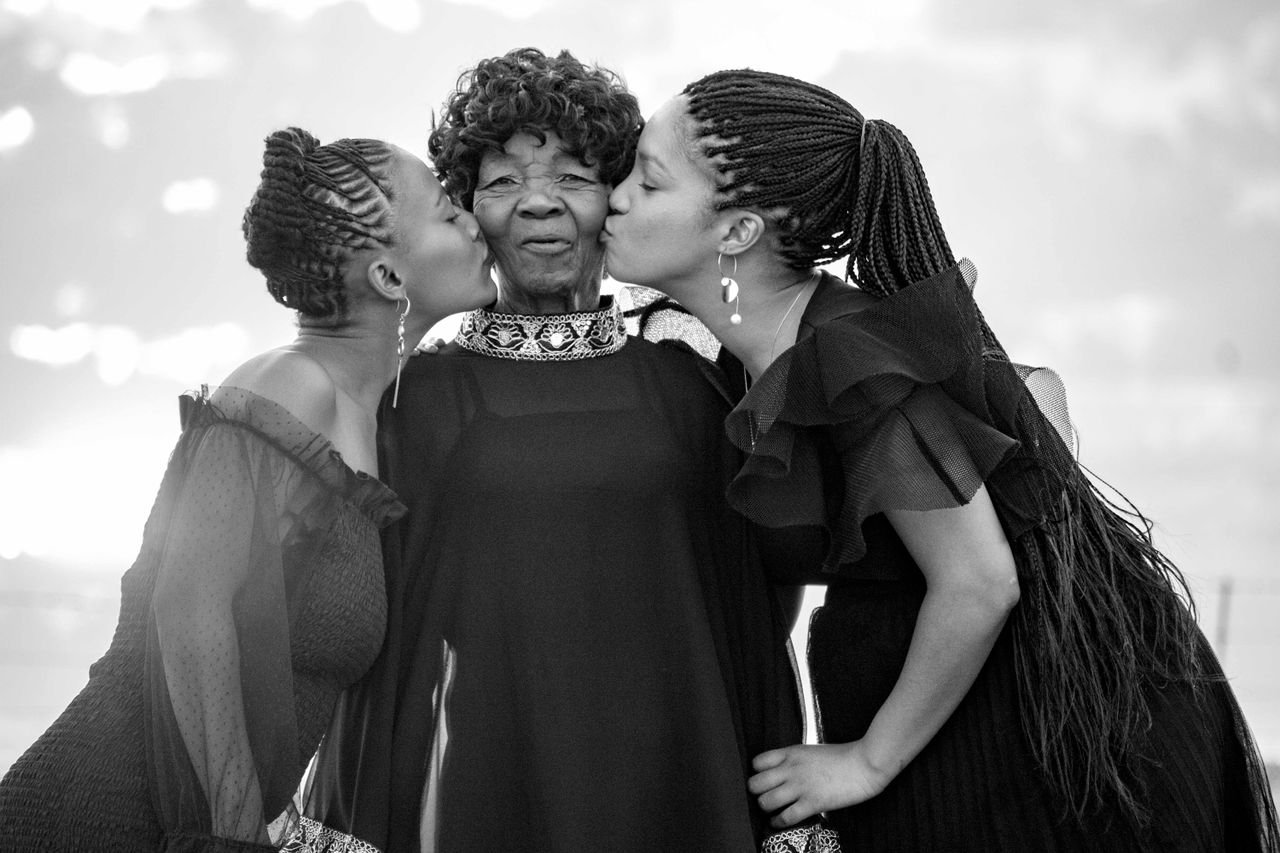
It is rarely a stranger who tells a new mother to throw away her colostrum. It is her mother. It is rarely an outsider who insists the baby needs water in the heat. It is the woman who raised her and raised her siblings and is genuinely, visibly worried. Any campaign that treats these women as obstacles will fail, and will deserve to.
Research from both southwest and northwest Nigeria has been consistent on this point: household influence, particularly from grandmothers and mothers-in-law, is one of the strongest predictors of whether a mother breastfeeds exclusively. One study from the northwest found that the belief that colostrum is harmful was associated with markedly lower rates of early initiation. The belief travels through the family, not through the clinic.
So it is worth understanding where these beliefs come from before dismantling them.
Take colostrum. It is thick, yellow, and comes in very small amounts. Compared with the abundant white milk that arrives a few days later, it looks, to an observer without a laboratory, like something that has gone off. Discarding it is not stupidity. It is a reasonable inference from the available evidence, if the available evidence is your eyes. What changes the conclusion is knowing that the small volume is deliberate, matched to a stomach the size of a marble, and that the yellow colour comes from a concentration of antibodies and vitamin A that the baby will not receive in that quantity again.
Or take water. In genuine heat, watching a small baby, the instinct to offer water is protective. It comes from care. The difficulty is that breast milk is already around 88 per cent water and adjusts to conditions, so the water displaces milk from a stomach that has very little room, and it arrives without the antibodies that milk carries, often from a source that is not clean.
The “my milk is not enough” belief is the most complicated of the set, because it feels true from the inside. A baby who feeds often, cries after feeding, or wakes frequently at night looks like a hungry baby. The Lancet’s 2023 breastfeeding series identified perceived insufficient milk as one of the commonest reasons mothers stop, and also documented how thoroughly the formula industry has learned to speak to that specific anxiety. Actual physiological insufficiency exists but is uncommon. Supply responds to demand: the more frequently a baby feeds, and the better the attachment, the more milk is produced. The behaviour that looks like evidence of failure is usually the mechanism of success.
Herbal preparations given to newborns are widespread across several Nigerian communities and carry two distinct risks. They introduce contaminated water and unknown compounds into a newborn’s system, and they displace colostrum during the exact window when it matters most.
Two others are worth clearing quickly. Breastfeeding does not cause breasts to sag; pregnancy, age and weight change do, whether or not a woman breastfeeds. And a mother should not stop breastfeeding when she or her baby is unwell with a common illness. Her milk carries antibodies specific to what is circulating in the household, which is close to the best possible medicine for a sick infant.
How to have the conversation matters as much as the content. Arriving in a family with a phone full of statistics and telling a grandmother she is wrong will lose the argument and possibly the relationship. What tends to work is narrower: agreeing that she is right to worry, agreeing that the baby matters, and offering one specific piece of new information rather than a wholesale correction. The goal is not to win. It is to protect a baby.
Screenshot one myth and fact slide and send it to your family WhatsApp group. Tell us in the comments that you did. Call to action. Share to one family group. Drop your myth in the question box. Hashtags. #MythVsFact #FirstWaveOfCare #WBW2026 #EkoNutrition
Challenge Tweet