We are not short of evidence. Every year around this time, the same set of recommendations gets repeated: breastfeed within the first hour, give only breast milk for six months, keep breastfeeding to two years alongside family food. None of that is new. None of it is contested. The World Health Organization and UNICEF have said it consistently for decades, and the science behind it has only got stronger.
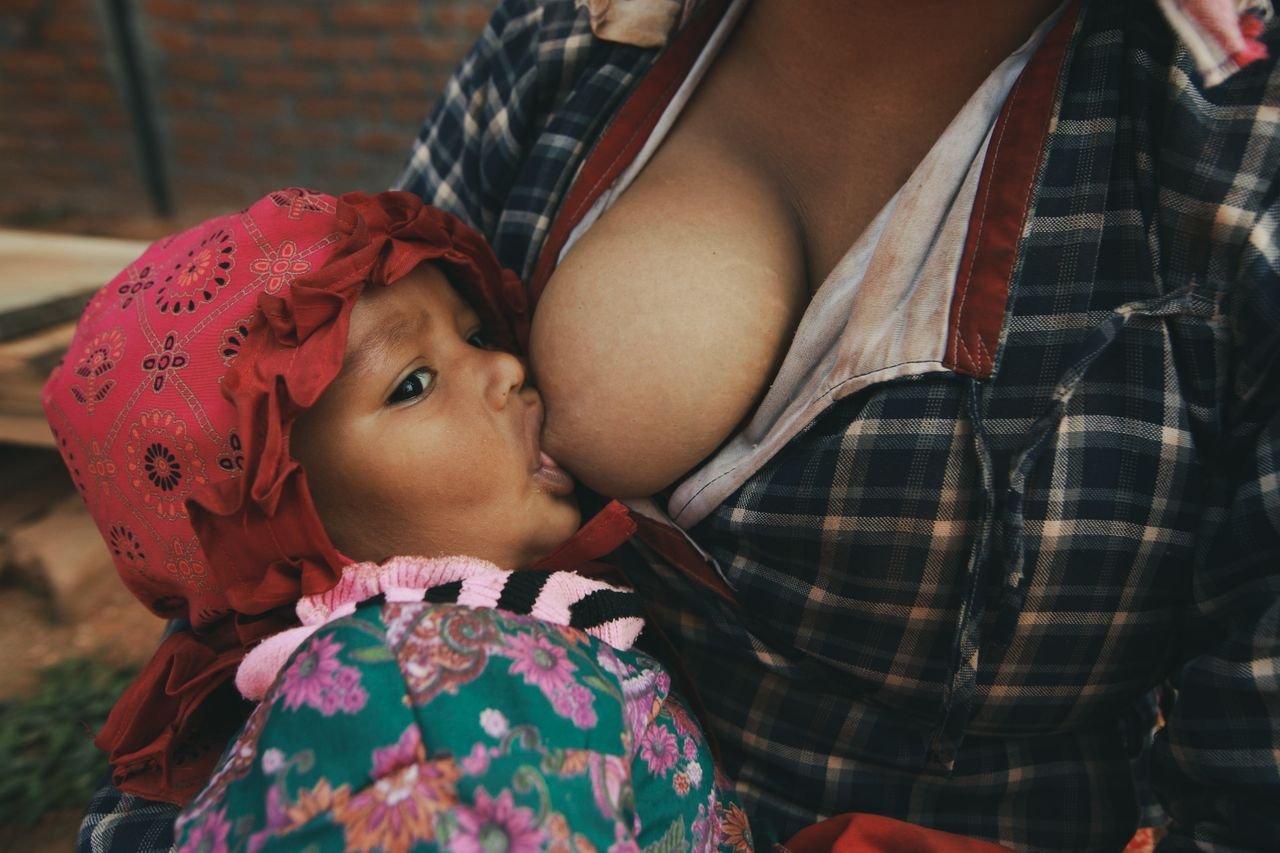
So the theme of World Breastfeeding Week 2026 lands with a certain sting. Breastfeeding for a Sustainable Start in Life: Strengthen What Works. Not discover what works. Not debate what works. Strengthen it. The implication is that we already have the answer and have simply failed to act on it at scale.
Nigeria’s numbers make that uncomfortable to read. Exclusive breastfeeding sits at 29 per cent, which means roughly three in every four babies are getting something else, water, pap, herbal preparations, before they are ready for it. Early initiation, the practice of putting the baby to the breast within the first hour, has gone backwards. It was 42 per cent in 2018. By 2023 it had fallen to 36 per cent. Those figures come from the Nigeria Demographic and Health Survey 2023-24, as reported by UNICEF Nigeria in 2025.
A falling indicator is different from a low one. A low indicator tells you the work is hard. A falling one tells you that whatever support existed is being withdrawn, or that something else is filling the gap.
What sits behind that first hour is worth understanding. The thick yellow milk produced in the first days, colostrum, is not weak milk or spoiled milk. It is dense with antibodies and vitamin A, and it comes in small volumes because a newborn’s stomach is tiny. A baby who receives it starts life with a layer of protection against the infections that kill children in their first months. A baby who is given water, or a herbal preparation, or anything else in place of it, starts without that layer and with an additional infection risk.
There is a second argument that gets made less often. Breast milk is the most sustainable first food available to any Nigerian family. It requires no packaging, no fuel to boil water, no cold chain, no transport, no foreign exchange. It is produced at home, at the exact moment it is needed, in the exact quantity required, with no waste at either end. In a country managing both food insecurity and rising costs, that is not a sentimental point. It is an economic one.
The cost of getting this wrong has been counted. Research published in Health Policy and Planning in 2019 by Walters, Phan and Mathisen put Nigeria’s combined economic losses from inadequate breastfeeding at around 21 billion United States dollars, roughly 4.1 per cent of gross national income, alongside more than a hundred thousand child deaths each year. UNICEF Nigeria has framed the other side of the same equation: every thousand naira invested in supporting breastfeeding returns an estimated thirty-five thousand.
This week we are going to go through it properly. The myths that still circulate in our communities and why they persist. What a breastfeeding mother actually needs to eat, and what it costs. Why fathers and grandmothers decide the outcome more often than health workers do. What the law already gives working mothers, and what market traders can claim. How to start family food at six months without stopping breastfeeding.
None of it is new information. That is rather the point. Follow along, share what is useful, and at the end of the week we will ask you to make one commitment.
Tag a nursing mother and send her one kind message today. Call to action. Follow, save the carousel, share one post. Hashtags. #WBW2026 #WorldBreastfeedingWeek #FirstWaveOfCare #StrengthenWhatWorks #EkoNutrition
Challenge Tweet