The Stock Cube Problem: What Every Nigerian Kitchen Needs to Hear About Blood Pressure
If you walked into a hundred Nigerian kitchens this evening and looked at what was simmering on the fire, you would find one ingredient in almost every pot. Not pepper. Not tomatoes. Not onions.
Stock cubes.
Maggi. Knorr. Royco. Whichever brand the household prefers, the cube is going in. Often two or three of them per pot. And then the salt comes after, because the cube alone is never quite considered enough.
This is the quietest public health crisis happening in Nigerian homes right now. And on World Hypertension Day, it is worth talking about plainly.
The Numbers Nobody Talks About at Dinner
The World Health Organization recommends that adults consume no more than five grams of salt per day, which translates to about 2,000 milligrams of sodium. That is roughly one level teaspoon.
The average Nigerian adult consumes between 8 and 12 grams of salt daily. Two to three times the safe limit. Every day.
A single stock cube contains between 800 and 1,200 milligrams of sodium. A standard pot of jollof rice prepared with three stock cubes plus added salt delivers between 2,000 and 3,000 milligrams of sodium per serving. One plate. The entire daily safe limit, in one serving of rice.
What This Is Doing to Nigerian Bodies
Hypertension affects roughly one in three Nigerian adults. In urban areas the prevalence reaches close to 38 percent. The condition is largely silent in its early stages, which is why fewer than half of those affected know they have it. Of those who do know, fewer than one in five have their blood pressure under control.
Hypertension is the leading cause of stroke, a major contributor to heart attacks, and a primary driver of kidney disease in Nigeria. Reducing salt intake can lower blood pressure by 8 to 14 millimetres of mercury in hypertensive individuals. That is comparable to the effect of some medications.
In a country where blood pressure medication can cost between 3,000 and 10,000 naira every month, dietary change is not just supplementary. For many Nigerians, it is the most accessible intervention available.
Why Stock Cubes Specifically
The cube is a clever product. It delivers concentrated umami in a form that is cheap, shelf-stable, and easy to use. But it has displaced an older Nigerian cooking tradition that did not require so much added sodium. Generations of Nigerian cooks built flavour from fresh tomatoes, peppers, onions, ginger, garlic, uziza, uda, and a wide range of herbs and aromatics.
The stock cube concentrated all of this convenience into one small package, and Nigerian kitchens took the shortcut. The shortcut works. It is just expensive in ways the price tag does not show.
What to Actually Do
Telling Nigerian families to stop using stock cubes entirely is not realistic. Here is what is.
Start by halving. If your usual recipe calls for three stock cubes, use one and a half. Add more fresh tomatoes, peppers, onions, and ginger to compensate. Within two to three weeks, your taste receptors adjust and the food tastes right at the new level.
Build the flavour back from herbs and aromatics. Fresh ginger, garlic, scotch bonnet pepper, basil, scent leaf, uziza leaves, curry, thyme, dried pepper. These were the foundations of Nigerian flavour before the cube. They still work.
Read the labels on processed seasonings. Many seasoning powders contain even more sodium per gram than stock cubes. Increase your potassium. Plantain, oranges, bananas, watermelon, groundnuts, ugu, and leafy vegetables are rich in potassium, which helps the body regulate blood pressure.
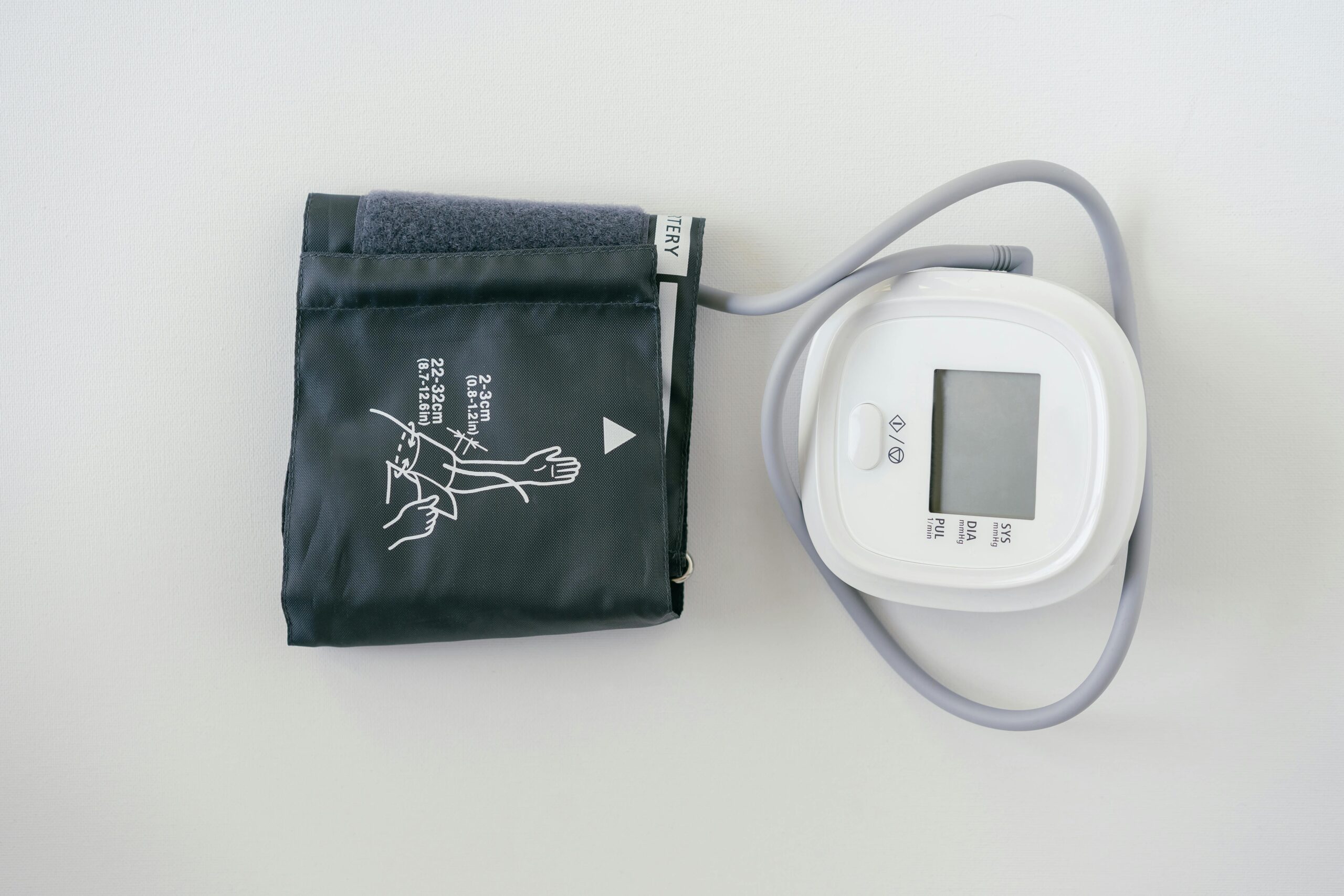
Get your blood pressure checked. If you have not had it measured in the last year, that is the first step. Many pharmacies and primary health centres offer free or low-cost screening. Knowing your number is the difference between managing hypertension and being managed by it.
For World Hypertension Day
The food we cook at home is shaping the blood pressure of our families. Not as a metaphor. As a daily, measurable, biological reality. The cube in the pot tonight is part of a story that ends, decades from now, in a stroke or a heart attack or kidney failure. That story can be rewritten. One meal at a time.
Halve the cube. Add the herbs. Check your blood pressure. That is the message for today.